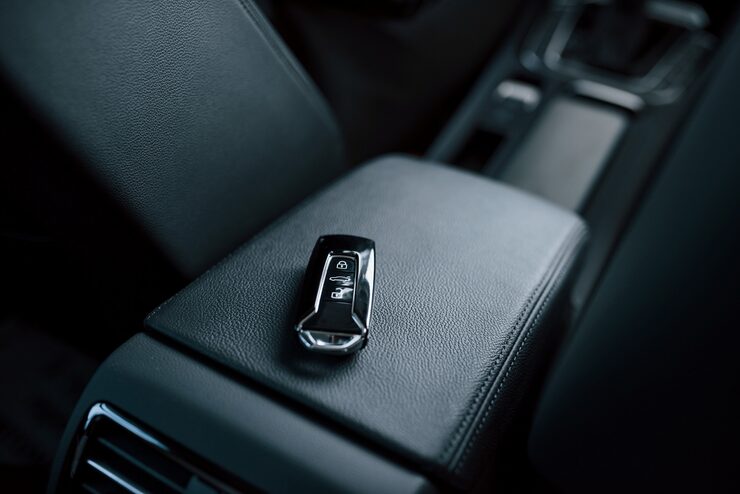
Why a Mercedes Key Fob Upgrade Is Worth Considering
Most Mercedes owners don’t think much about their key fob until it stops working the way it used to. The buttons get a little less responsive. The range shrinks — what used to unlock the car from across the parking lot now barely works from arm’s length. And then, one day, it just doesn’t respond at all. At that point, replacement isn’t really optional anymore. But here’s the thing worth knowing before that day arrives: a key fob upgrade is often a far better move than a straight like-for-like replacement.
This piece looks at why upgrading — rather than simply replacing — makes sense for a lot of Mercedes owners, what the underlying transponder technology actually does, and where to find proper Mercedes Remote Key Service Pinecrest when the time comes to make the change.
Mercedes Remote Key Service Pinecrest — Where This Conversation Usually Starts
Pinecrest has a particular character when it comes to vehicle ownership — residents here tend to hold onto their cars for longer, maintaining them carefully rather than trading in every few years. That pattern means a meaningful number of Mercedes vehicles in the area are still running on original key fobs that are eight, ten, even twelve years old. Mercedes Remote Key Service Pinecrest requests reflect exactly this — owners coming in not because something has catastrophically failed, but because a fob that’s served faithfully for a decade is finally showing its age.
That’s precisely the moment worth pausing on. A failing fob is, in a strange way, an opportunity. Instead of sourcing an identical replacement of the same ageing design, it’s worth asking whether a newer-generation key fob — one with improved range, better battery efficiency, and stronger security — might actually be the smarter move.
Mercedes Key Fob Upgrade — What “Upgrade” Actually Means
The phrase mercedes key fob upgrade covers a few different things depending on the vehicle and what’s available for that model. In some cases, it means moving from an older-generation key to a newer one with expanded functionality — additional remote features, improved encryption, or a more durable physical design. In others, particularly for owners of vehicles equipped with KEYLESS-GO, it can mean adding proximity functionality to a vehicle that previously relied on a more basic remote.
The practical benefits tend to fall into a few categories worth understanding individually.
Improved Range and Reliability
Older key fobs, particularly those that have been in daily use for many years, gradually lose transmission strength as their internal components age — not just the battery, but the antenna and circuitry itself. A newer fob, built to current manufacturing tolerances, restores (and in many cases improves on) the range and consistency that the original fob had when it was new.
Stronger Security Architecture
Key fob security has evolved meaningfully over the past decade. Rolling code technology, encryption standards, and anti-cloning measures have all improved on newer-generation Mercedes key systems. An upgrade isn’t just a convenience improvement — for owners concerned about vehicle security, particularly given the well-documented rise in relay-attack theft targeting older proximity key systems, a newer fob with improved security architecture is a genuinely meaningful upgrade.
Better Battery Life and Lower Maintenance
Newer fob designs are generally more power-efficient, which translates to longer intervals between battery replacements and fewer of the intermittent connectivity issues that come with a battery quietly running low. It’s a small thing day to day, but it removes one more recurring point of friction from ownership.
Mercedes Transponder Key Replacement — Understanding the Technology Underneath
To understand why an upgrade matters, it helps to understand what’s actually inside a Mercedes key. Every modern key contains a transponder chip — a small embedded component that communicates an encrypted signal to the car’s immobilizer system, confirming the key is authorised to start the vehicle. Mercedes transponder key replacement refers to the process of fitting and programming a new key with this chip correctly paired to the car’s security system.
This is also where the difference between a basic replacement and a proper one becomes obvious. A locksmith without Mercedes-specific tools can sometimes cut a key blade that physically fits the ignition, but without programming the transponder chip correctly, that key won’t be recognised by the immobilizer — the car simply won’t start. Genuine transponder key replacement requires reading the vehicle’s existing security data and writing new key information to match it precisely.
Why This Matters More on Upgraded Fobs
When upgrading to a newer-generation fob, the transponder pairing process becomes even more important, since the new key may use a different chip generation or encryption protocol than the original. A specialist performing the upgrade needs equipment capable of bridging that gap — confirming the car’s systems will accept and properly authenticate the newer technology rather than rejecting it as unrecognised.
Mercedes Transponder Key Services — What a Complete Service Includes
A proper mercedes transponder key services appointment involves more than just handing over a new key. It typically starts with a diagnostic read of the vehicle’s existing key and immobilizer data, confirming exactly what the car currently expects to see from an authorised key. From there, the new transponder is programmed to match — or, in the case of an upgrade, to introduce the newer technology in a way the car’s systems will accept.
The final step is verification: confirming the new key starts the car reliably, that remote functions work as expected, and that no fault codes remain in the relevant control modules after the process is complete. Skipping this verification step is one of the more common reasons owners end up back at a workshop within weeks of a key replacement — an issue that a thorough service should catch before the customer ever leaves.
Replacement Mercedes Key Fob — When Repair No Longer Makes Sense
Not every ageing fob needs a full upgrade. In some cases, a straightforward replacement mercedes key fob — matching the original specification — is the more sensible and cost-effective choice, particularly for owners who are happy with how their current key has performed and simply need a working replacement rather than new functionality.
The decision between a like-for-like replacement and an upgrade generally comes down to a few factors: how old the original fob technology is, whether newer-generation options are available and compatible with the vehicle, and how much value the owner places on the security and reliability improvements an upgrade offers. A good specialist will walk through these options honestly rather than defaulting to whichever is more profitable to sell.
Mercedes Key Fob Replacement Pinecrest — Bringing It Back to the Local Picture
For Pinecrest owners specifically, Mercedes Key Fob Replacement Pinecrest requests often arrive at exactly the inflection point this article has been describing — a fob that’s served reliably for many years finally reaching the end of its practical lifespan. Given how many vehicles in the area fall into this long-term ownership pattern, it’s a conversation local specialists have regularly, and one where the upgrade option deserves a fair hearing rather than being skipped over in favour of the quickest, most familiar fix.
The combination of long ownership cycles and ageing original equipment makes Pinecrest something of a natural fit for this conversation. Owners here are, on average, more likely to be working with original fobs old enough that a genuine upgrade — rather than a like-for-like swap — offers a noticeably better outcome.
Making the Decision That’s Right for Your Car
If your Mercedes key fob is showing signs of age — reduced range, inconsistent button response, frequent battery changes — it’s worth treating that as a decision point rather than a routine annoyance to push through. A conversation with a specialist about whether an upgrade makes sense for your specific model, rather than a default like-for-like replacement, costs nothing and can meaningfully improve both the day-to-day experience of using your car and its underlying security.
The right specialist will assess your current fob, explain what upgrade options exist for your model and year, and let you make an informed choice rather than pushing you toward whatever’s quickest to fit. That’s the standard worth holding any workshop to, whether you’re in Pinecrest or anywhere else across South Florida.
Final Thoughts
A key fob upgrade isn’t a luxury indulgence — for a lot of Mercedes owners, particularly those holding onto their vehicles for the long term, it’s a practical improvement to security, reliability, and day-to-day convenience that costs little more than a standard replacement would anyway. The next time your fob starts showing its age, it’s worth asking your specialist what’s changed since your car was new — the answer might make the decision an easy one.