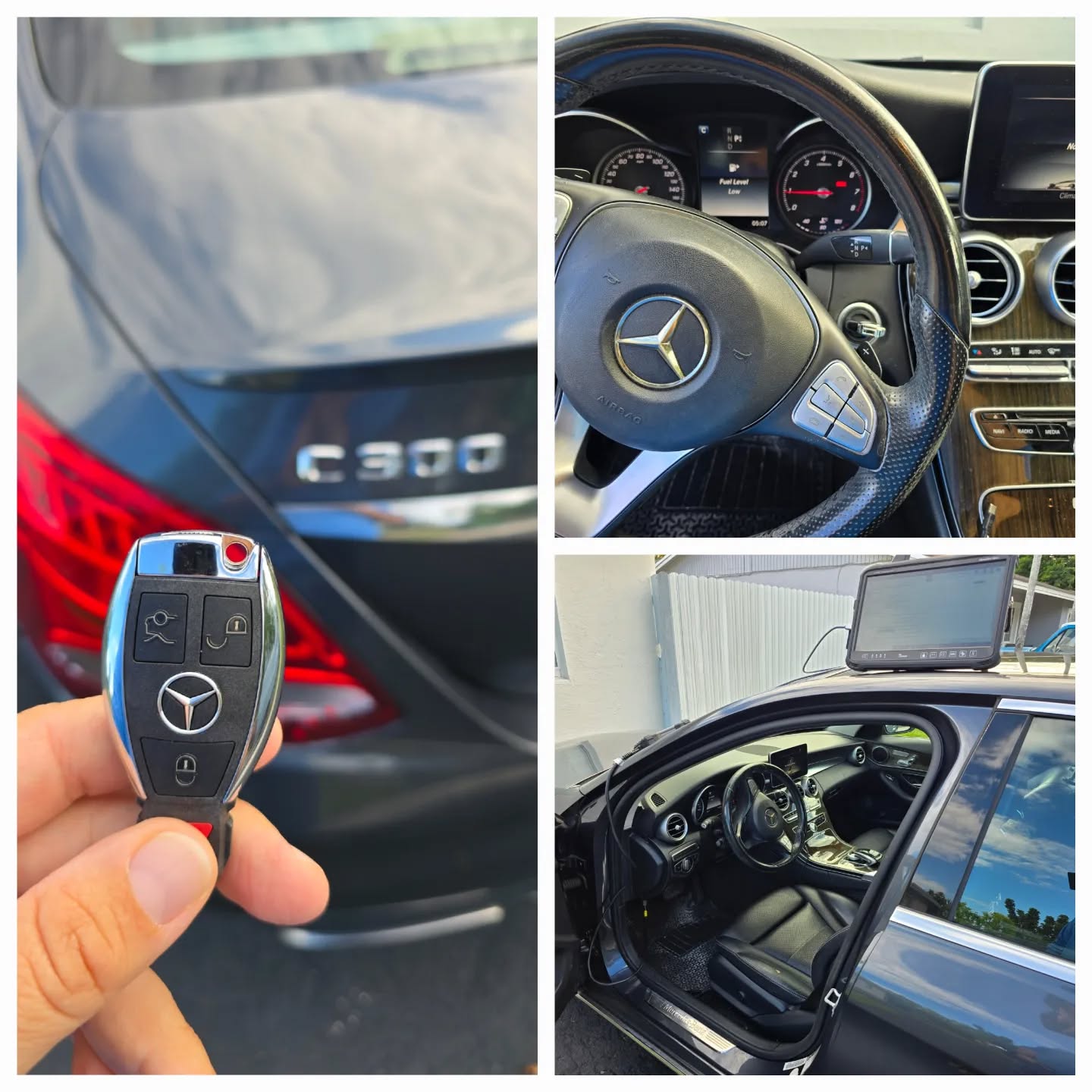
Does a Replacement Ignition Switch Need to Be Programmed?
If your Mercedes-Benz will not recognize the key, the ignition will not turn, or the vehicle refuses to start after an ignition-related failure, you may be wondering: Does a replacement ignition switch need to be programmed?
The short answer is: sometimes, yes—but it depends on which ignition component is being replaced and the specific Mercedes-Benz model.
On many modern Mercedes vehicles, the ignition system is more than a simple mechanical switch. The electronic ignition switch, often called the EIS (Electronic Ignition Switch) or EZS, is connected to the vehicle’s immobilizer and key authorization system. Because these components communicate electronically, installing a replacement may require programming, coding, synchronization, or cloning before the car will start.
For Mercedes owners searching for Mercedes A Class ignition switch replacement, understanding this process can help prevent unnecessary parts purchases and avoid frustrating no-start situations.
What Is an Electronic Ignition Switch?
Older vehicles often use a basic ignition switch that sends electrical power to the starter and other systems. Mercedes-Benz vehicles, however, may use a more advanced electronic ignition system that communicates with the vehicle’s security network.
The EIS can work with several important systems, including:
- The vehicle key
- The electronic steering lock
- The engine control unit
- The immobilizer system
- The vehicle’s security and authorization modules
When you insert or present a compatible key, the vehicle checks whether the key and electronic ignition system are authorized. If the security system approves the key, the vehicle allows the ignition and engine-starting sequence to proceed.
This is why replacing an electronic ignition module is often not as simple as unplugging the old part and installing another one. A replacement module may need to be matched to the vehicle’s existing security data.
So, Does a Replacement Ignition Switch Need Programming?
If the replacement is an electronic ignition switch or EIS module, programming or electronic adaptation may be required.
The exact process depends on the vehicle’s year, model, ignition system generation, and the condition of the original module.
In some cases, a replacement unit may be:
- Programmed to the vehicle
- Adapted using specialized diagnostic equipment
- Cloned from the original module
- Repaired instead of replaced
- Supplied as a correctly matched component
A mechanical ignition lock cylinder is a different situation. If only the physical lock cylinder is being replaced and the original electronic security components remain in place, programming may not be necessary. However, if the replacement includes the electronic ignition module or immobilizer-related hardware, programming requirements can change significantly.
What Happens If You Install an Unprogrammed Ignition Switch?
Installing an incompatible or unprogrammed electronic ignition switch can result in several problems.
The vehicle may:
- Fail to recognize the key
- Refuse to turn on the ignition
- Display warning messages
- Prevent the starter from operating
- Activate an immobilizer-related no-start condition
- Require additional programming before the vehicle can be driven
In other words, simply installing a replacement part does not always restore normal operation.
A replacement electronic ignition module may contain security information that does not match the vehicle. The car’s systems must communicate correctly before the vehicle will authorize starting. Professional Mercedes diagnostic and locksmith equipment may be required to complete this process.
Mercedes A-Class Ignition Switch Replacement: What Owners Should Know
A Mercedes A Class ignition switch replacement can vary depending on the generation and specific model. Mercedes-Benz vehicles have used different electronic security systems over the years, so the correct procedure is not universal.
Before purchasing a replacement ignition switch, it is important to identify:
- The exact Mercedes-Benz model and year
- The vehicle identification number (VIN)
- The correct part number
- Whether the issue is mechanical or electronic
- Whether the original key is available
- Whether the original ignition module can still communicate with the vehicle
These details can determine whether a replacement module can be programmed, cloned, repaired, or needs to be replaced with another solution.
A common mistake is to buy a used ignition switch based only on appearance or part number. Even if the replacement physically fits, it may still contain security data from another vehicle. That can prevent the Mercedes from recognizing the module.
Does the Key Need to Be Programmed Too?
In some situations, the ignition switch and key are closely connected through the vehicle’s immobilizer system.
If the original electronic ignition module is repaired or successfully cloned, the existing key may continue to work normally. In other situations, a replacement module may require the key and vehicle security system to be synchronized.
This is why it is helpful to bring all available Mercedes keys when seeking ignition or immobilizer service. The correct procedure can depend on the vehicle’s current security configuration and the parts being replaced.
If the key is also damaged, lost, or no longer recognized, additional key programming may be required.
Can a Used Mercedes Ignition Switch Be Programmed?
Sometimes, but not always.
A used EIS or electronic ignition component may already contain security information associated with the donor vehicle. Simply installing it into another Mercedes will not necessarily make it compatible.
Depending on the vehicle and module, a qualified automotive locksmith or specialist may be able to:
- Extract relevant security data
- Clone information from the original module
- Adapt a replacement module
- Program compatible components
- Diagnose whether the original module can be repaired
The correct solution depends heavily on the vehicle and the specific failure. Using the wrong procedure or an incorrect part can create additional problems and increase repair costs.
When Should You Call a Professional?
If your Mercedes ignition is not working, professional diagnosis is often the best first step.
Consider contacting a qualified Mercedes automotive locksmith if:
- The key will not turn or is not recognized
- The ignition system works intermittently
- The car will not start after an ignition failure
- The electronic ignition module is suspected to be faulty
- You purchased a replacement EIS and need programming
- The vehicle has lost all working keys
- You are unsure whether the problem is the key, ignition, steering lock, or immobilizer
A professional can help determine whether you actually need a replacement. In some cases, repairing or cloning the original module may be a better option than installing an entirely different unit.
For Mercedes owners in the Miami area, Mercedes Keys Miami provides specialized Mercedes key and ignition-related services. Getting the system properly diagnosed can help you avoid replacing parts unnecessarily.
Final Answer: Does a Replacement Ignition Switch Need to Be Programmed?
Yes, a replacement electronic ignition switch often needs to be programmed, coded, adapted, or synchronized with the vehicle’s security system. However, the exact requirement depends on the Mercedes-Benz model, year, ignition system, and the specific component being replaced.
A mechanical lock cylinder may not require electronic programming, while an electronic ignition switch or EIS commonly involves vehicle-specific security data.
If you need a Mercedes A Class ignition switch replacement, avoid assuming that any replacement module will work immediately after installation. Confirm the correct part, diagnose the original problem, and determine whether programming or module adaptation is required.
The right solution can save time, prevent additional security-system problems, and get your Mercedes back on the road safely and reliably.